Every orthodontist is a dentist, but not every dentist is an orthodontist. Becoming a specialist means years of full-time university training after dental school, devoted entirely to moving teeth and guiding jaws safely. Here is what that path involves, and why it matters for your care.
Step one: a dental degree
The journey starts the same way it does for any dentist, with a university dental degree, usually built on a science undergraduate foundation first. That training produces a general dentist who is qualified to do fillings, crowns, cleanings, extractions and a bit of everything, orthodontics included. It is a demanding degree in its own right. But it is a generalist’s education by design, covering the whole mouth broadly rather than any one area in real depth. A newly graduated dentist has learned the basics of straightening teeth; they have not spent years doing only that.
Step two: experience, and then specialty training
Many future specialists practise or train further before specialising, and some complete additional residencies that sharpen their clinical judgement. The defining step, though, is a full-time, university-based specialty program in orthodontics and dentofacial orthopedics, typically two to three years long and accredited by the profession’s governing bodies. Entry is competitive, the programs are small, and the training is intensive: the biomechanics of tooth movement, how faces and jaws grow, how to plan a case from start to finish, and hundreds of supervised cases treated under expert eyes. Graduates usually earn a master’s degree alongside the specialty certificate. This is the stage that turns a dentist who can do some orthodontics into an orthodontist.
Step three: board certification
Training is where a specialist qualifies; board certification is where they choose to be examined and held to a higher standard by their peers, and then keep meeting it. It is voluntary, rigorous, and a fair signal of a clinician who takes accountability seriously. It is worth knowing the difference between a specialist and a general dentist who offers orthodontics, because both may straighten teeth but only one has completed this full pathway. The Canadian Association of Orthodontists lets patients confirm that an orthodontist is a registered specialist, which is a sensible thing to check before starting treatment anywhere.
Why specialist training matters for your treatment
Straightening teeth looks simple from the outside, and in easy cases it can be. The value of specialist training shows up in the harder cases, and in the ones that look easy but are not: knowing when a bite problem is skeletal rather than just crooked teeth, knowing when growth can be guided and when the window has closed, knowing how to avoid extractions and jaw surgery where a general dentist might reach for them, and knowing when the honest answer is that treatment can wait or is not needed at all. A specialist has seen thousands of variations and been trained specifically to plan for them. That judgement is what you are really paying for, and it is why a second opinion from a specialist is worth having if you have been offered a plan you are unsure about.
Specialist, general dentist, or an online kit?
It helps to picture three different things that all promise straighter teeth. A general dentist may offer orthodontics as one of the many services they provide. A specialist orthodontist does nothing else, all day, and has the years of dedicated training to match. And a mail-order aligner kit skips the in-person examination almost entirely, which is where the real risks hide, because nobody is checking the health of your gums and bone or watching how the roots actually move. Straightening teeth is not just cosmetic; done without proper supervision it can damage the very teeth it is meant to improve. Knowing which of the three you are dealing with, and what each is trained to catch, is one of the more useful things a patient can understand before starting anything.
Dr. McLeod’s path, as one example
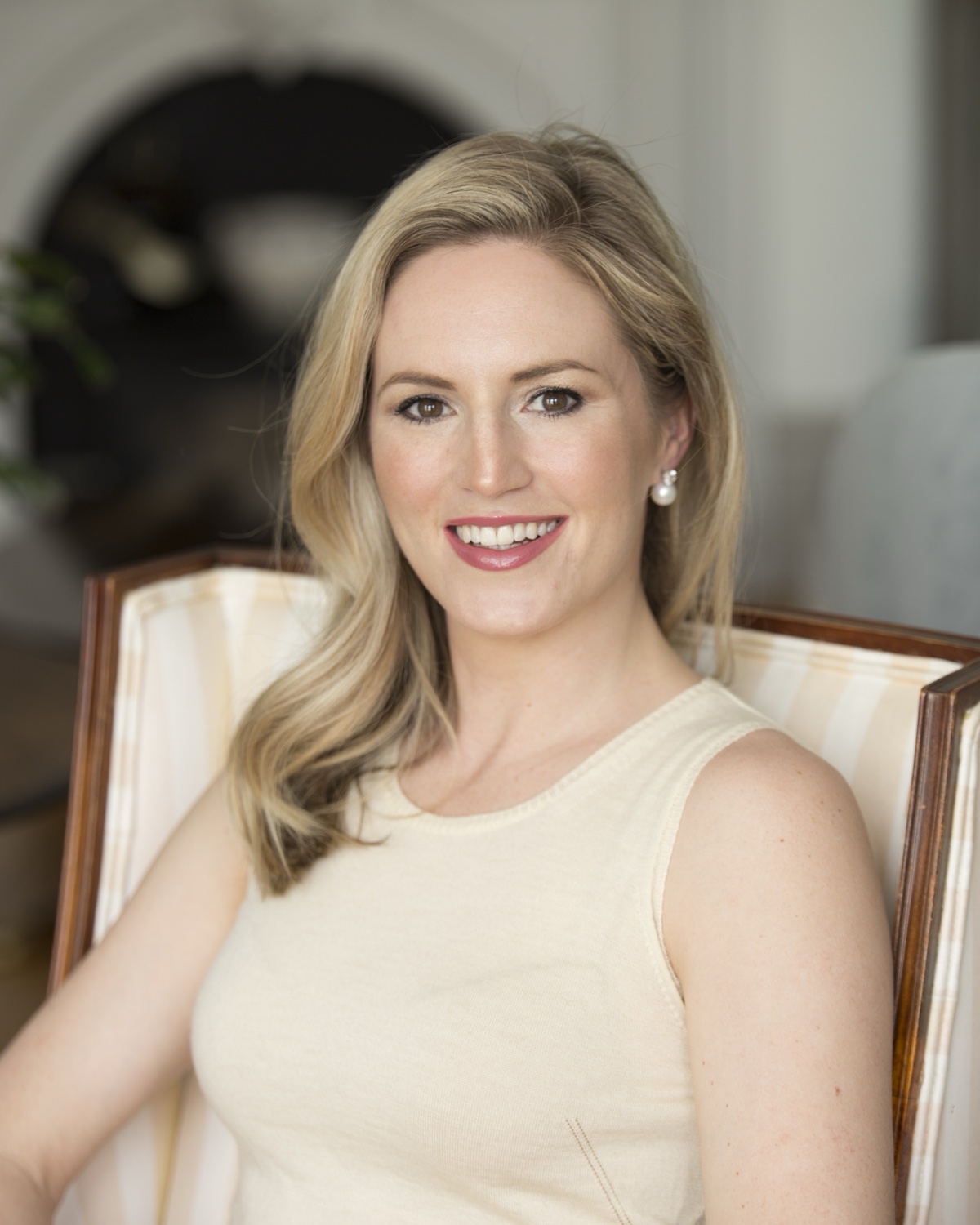
Dr. Catherine McLeod’s route follows exactly this pattern. She earned an honours Bachelor of Science and her dental degree at Dalhousie University in 2006, graduating with awards for clinical research. She then completed a one-year full-time pediatric dental residency at the Toronto Hospital for Sick Children, working with children who had medical complications and special needs. From there she undertook her specialty training in orthodontics and dentofacial orthopedics at the University of Manitoba, earning a master’s degree along with her specialty certificate in 2010. She went on to practise as a specialist orthodontist in Sydney, Australia for three years before, in 2013, fuelled by her desire to live closer to her large family, returning home to Nova Scotia to launch her practice, Embrace Orthodontics.
Today she is a registered specialist orthodontist in Canada, with specialist experience gained in Australia, and a Fellow of the Royal College of Dentists of Canada, and she is an international lecturer and published author who still treats every patient herself. When she is not at the practice she is a keen sailor, a devoted fan of auctions and her growing antique collection, and, by her husband’s patient efforts, being slowly converted into a Toronto Blue Jays supporter.
Specialist care in Halifax
The practical upside for families in Halifax is straightforward: at Embrace, your treatment is planned and carried out by a specialist orthodontist, in an all-digital practice on Spring Garden Road, two floors below Park Lane Dental Specialists. That is not a knock on general dentists, who do essential work every day; it is simply that orthodontics is all we do, and the depth of training behind your plan is the difference you are choosing when you choose a specialist. You can read more about Dr. McLeod and her approach, and if you would like a specialist’s honest read on your own smile, book your free consultation in Halifax, with no referral needed.